
Capture and contain
The solvent is captured as close as possible to its emission, before it spreads through the workshop and exposes operators.
- Extraction booths
- Hoods and capture at the workstation
- Enclosure of application areas
04 / GASES & VOCs
Solvents, process vapours, vehicle or machinery exhaust: we capture these pollutants at the source and extract them out of the workshop.
The solvent captured before it spreads
Vapours discharged outside the building
For flammable solvents
Hoods, ducts and fan calculated together
THE POLLUTANTS
VOCs and gases can't be seen like dust: they spread quickly, build up and expose the whole workshop. Controlling them starts at the point of emission.
Have my workshop assessed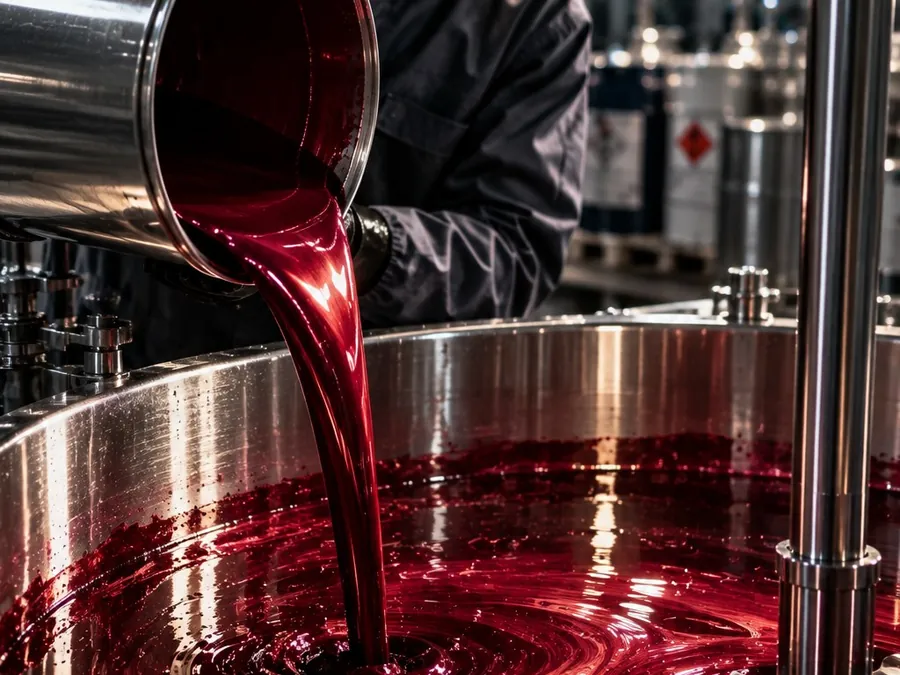
Vapours released during application, mixing, drying or cleaning of tools and parts.
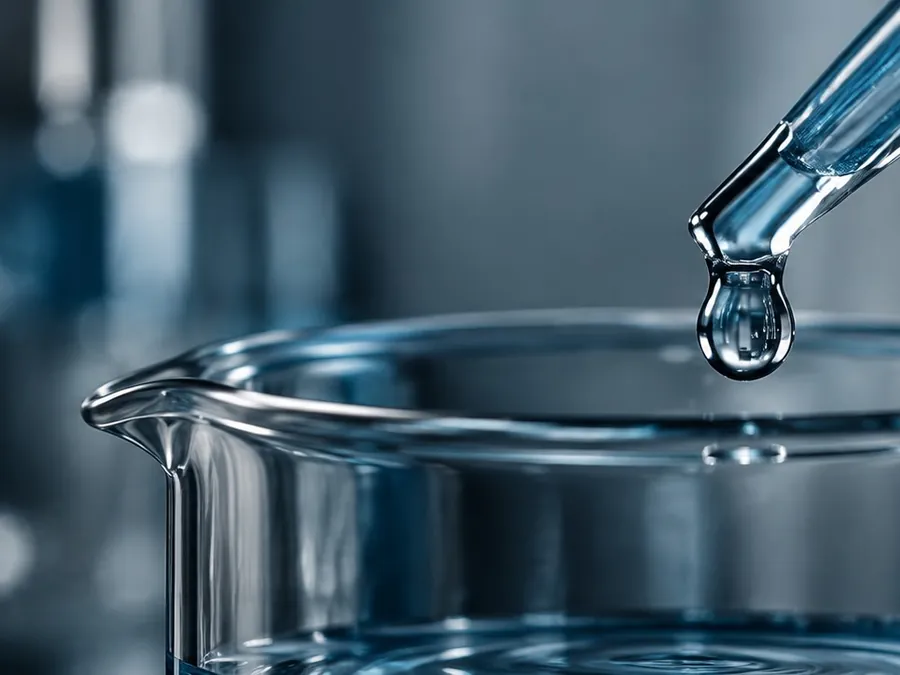
Emissions from tanks, reactors, treatment baths and laboratory workstations.
Engines running in maintenance, inspection or preparation workshops.
OUR SOLUTIONS
Three levers, combined according to the product, the workstation and your site's discharge requirements.
The solvent is captured as close as possible to its emission, before it spreads through the workshop and exposes operators.
Gases are extracted directly at the tailpipe, then discharged outside the building without polluting the work area.
The extracted air is discharged outside the building through ductwork and a fan sized for the product, with an ATEX execution where the risk assessment requires it.
OUR METHOD
For solvent vapours, effectiveness depends on capture at the workstation, any enclosure and the extraction ductwork.
Safety data sheets, concentrations, temperatures and emission times.
Booth, hood or capture device: the system is chosen according to the workstation and the task.
Discharge point, ductwork and site requirements agreed with you.
Network, fan and, if needed, ATEX version based on the risk assessment.
INDUSTRIES EQUIPPED
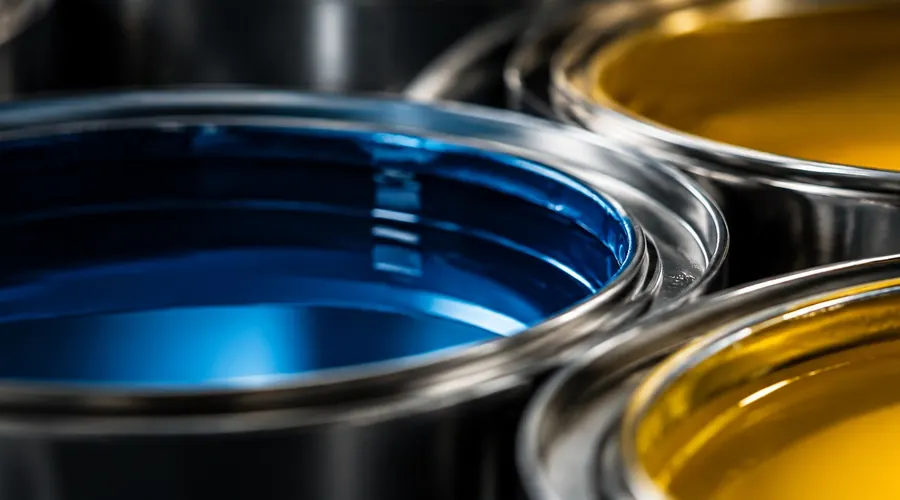 Inks and paints
 Pharmaceuticals
 Cosmetics
 Crop protection
Also Chemicals · Laboratories · Automotive · Machinery maintenance
CAPTAIR & DIMAVENT / ENGINEERING OFFICE
Type of solvents, workstations concerned, volumes and discharge constraints: send us these details, and if possible the safety data sheets, to start the study.
Contact us
Every request is read by a technician from our engineering office, who gets back to you if anything needs clarifying.
Reply within 48 working hours.
Your request, step by step
Pollutant, workstations, constraints: a few lines are enough. A photo of the installation helps us a lot.
Capture, airflow, ductwork and filtration are sized for your site, together with you if anything needs clarifying.
Machine, options and price, in detail: you decide with full knowledge of the facts.
Your cookie choices
With your consent, we use audience and advertising measurement cookies to understand how the site is used, improve it and see which ads bring us enquiries. You can accept, refuse or choose, and change your choice at any time. Learn more