
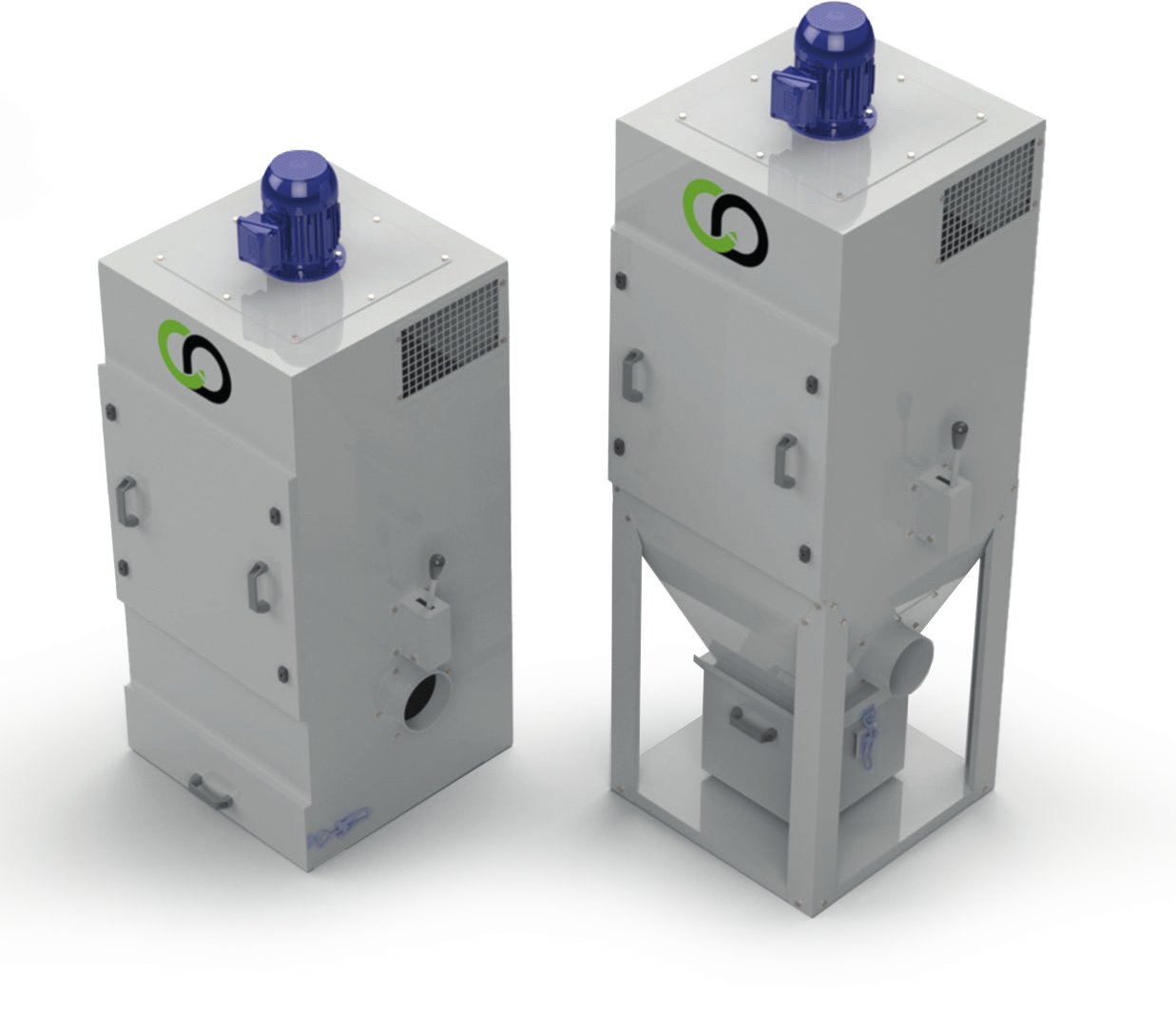
DA
Occasional use
400 – 5 000 m³/h
Data sheet DAFrench industrial expertise · Since 1994
Steel, stainless steel, aluminium, magnesium: what changes from one metal to another for capture, filtration and fire and explosion safety.
01 / Metal dust
Steel and stainless steel dust is filtered dry on cartridges or bags. For stainless steel, the limit values for chromium and nickel, far lower than those for ordinary dust, set the level of capture and filtration.
In a metalworking shop, 8-hour average concentrations must not exceed 4 mg/m³ for total dust and 0.9 mg/m³ for respirable dust (French Labour Code, art. R4222-10).
02 / Metal dust
Any combustible dust finer than about 500 µm can form an explosive atmosphere, from a few tens of grams per cubic metre of air (INRS ED 6441). Aluminium and magnesium dust are among them.
Two answers: the wet process, with the HYDRO, which knocks the dust down in water before it reaches any filter; or a dry dust collector in ATEX execution, with vents and an isolation valve, sized from the explosion characteristics of the dust.
03 / Metal dust
Brought together in the same filter, aluminium dust and iron oxides can react violently when a spark hits them. A shop working both metals needs two ductwork systems and two dust collectors, or a complete clean-out when changing material.
The same precautions apply to grinding sparks: a spark arrestor before the filter and no combustible material on the same ductwork.
04 / Metal dust
The alloys worked and their coatings, the operations (grinding, polishing, deburring), the quantities, the working hours and, for aluminium or magnesium, any explosivity test results and your ATEX zoning.
Compare the equipment
These data sheets let you compare technologies and operating conditions. Compatibility with your process and the equipment configuration are confirmed before the final choice.
Occasional use
400 – 5 000 m³/h
Data sheet DA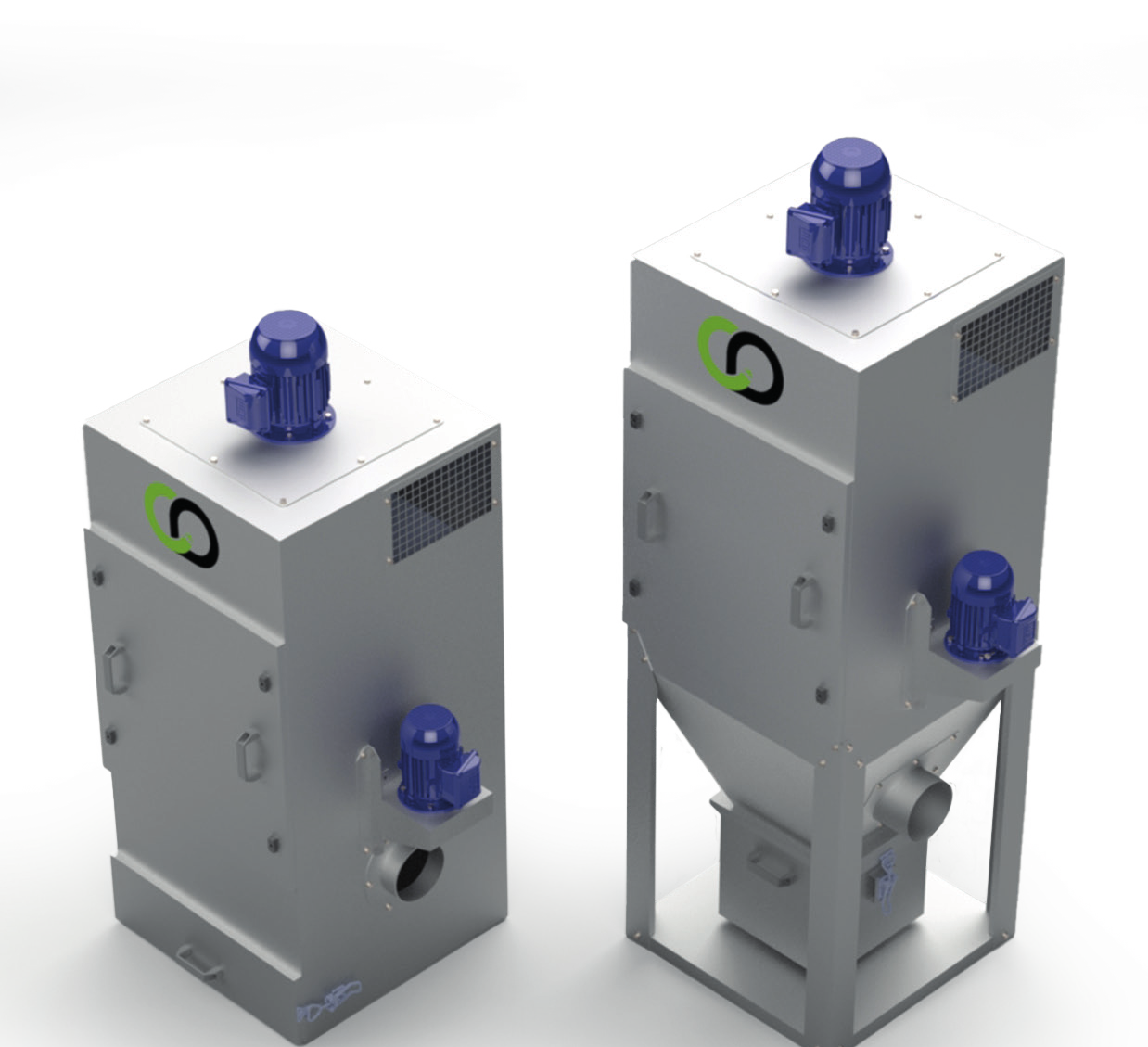
Daily intermittent use
400 – 5 000 m³/h
Data sheet DAS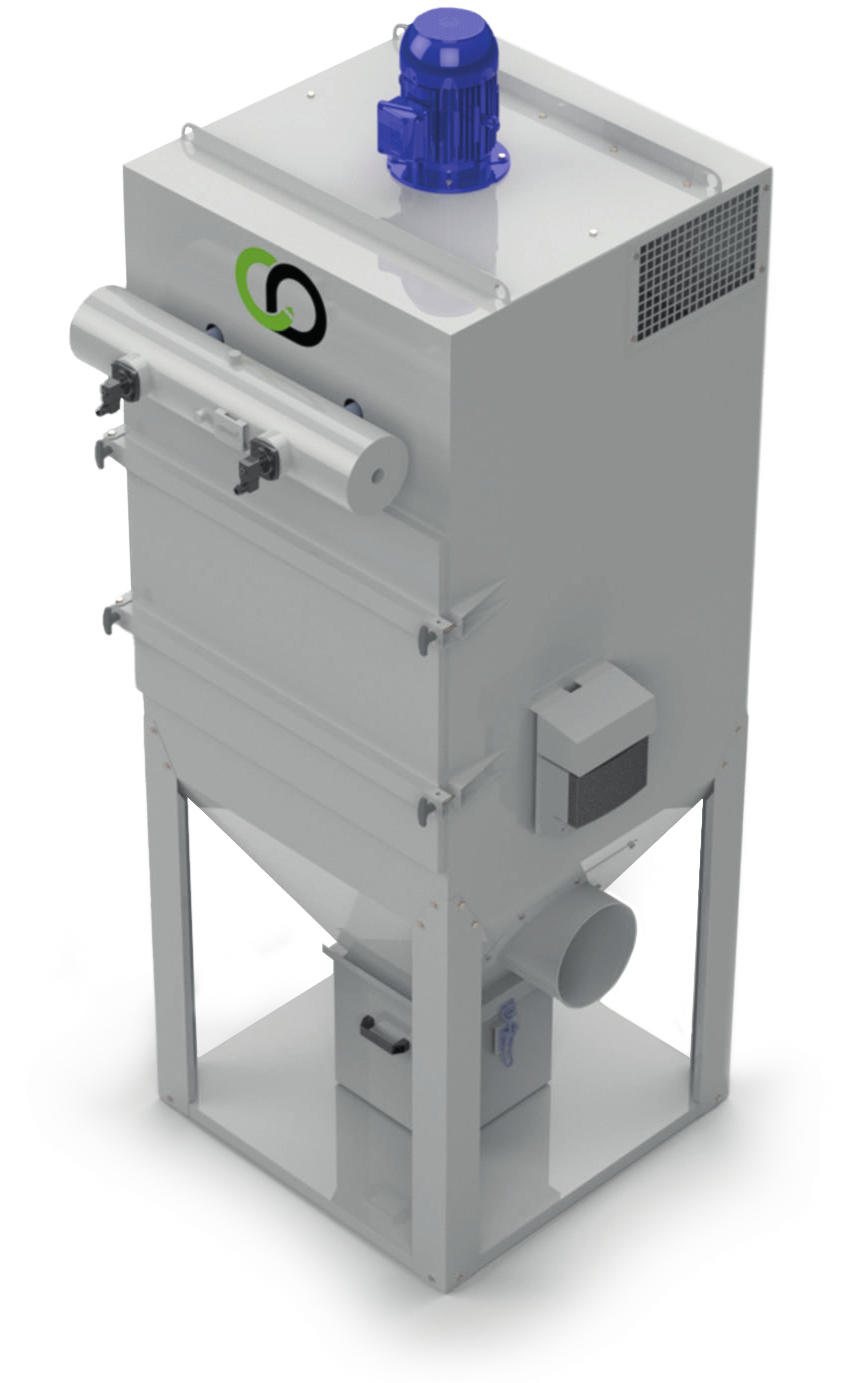
Continuous production 24/7
600 – 19 200 m³/h
Data sheet DAS CCWet dust collection
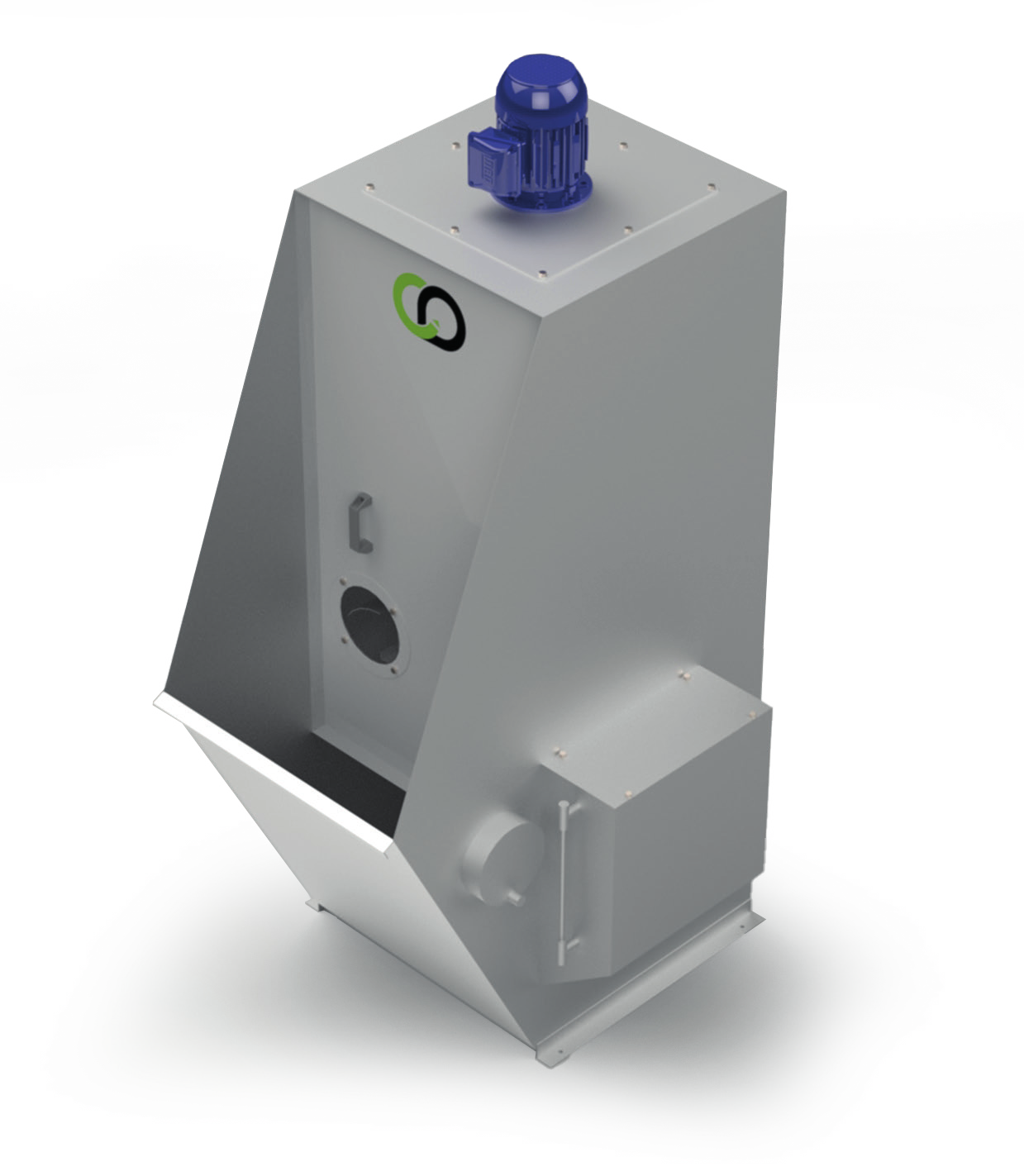
600 – 5 000 m³/h
Data sheet HYDROUseful answers
No. A mixture of aluminium dust and iron oxides can ignite violently. The ductwork and filters are kept separate.
Because the dust is captured by water as soon as it arrives: it does not build up dry in a filter where an explosive cloud could form. The sludge is emptied regularly.
Continue your selection
Your industrial project
Send us photos of the workstations, the materials worked, which workstations run at the same time and your working hours: we size the capture and filtration and send you a costed quote.
Contact us
A technician from our engineering office studies your needs and proposes the right solution for your workshop: machine, capture, ductwork and filtration.
Reply within 48 working hours.
Your request, step by step
Pollutant, workstations, constraints: a few lines are enough. A photo of the installation helps us a lot.
Capture, airflow, ductwork and filtration are sized for your site, together with you if anything needs clarifying.
Machine, options and price, in detail: you decide with full knowledge of the facts.
Your cookie choices
With your consent, we use audience and advertising measurement cookies to understand how the site is used, improve it and see which ads bring us enquiries. You can accept, refuse or choose, and change your choice at any time. Learn more